Licensing Bodies Shape Fairness Standards at Specialized European Gaming Platforms
Written by Zara Schulz · Nov 20, 2026

Licensing Bodies Shape Fairness Standards at Specialized European Gaming Platforms
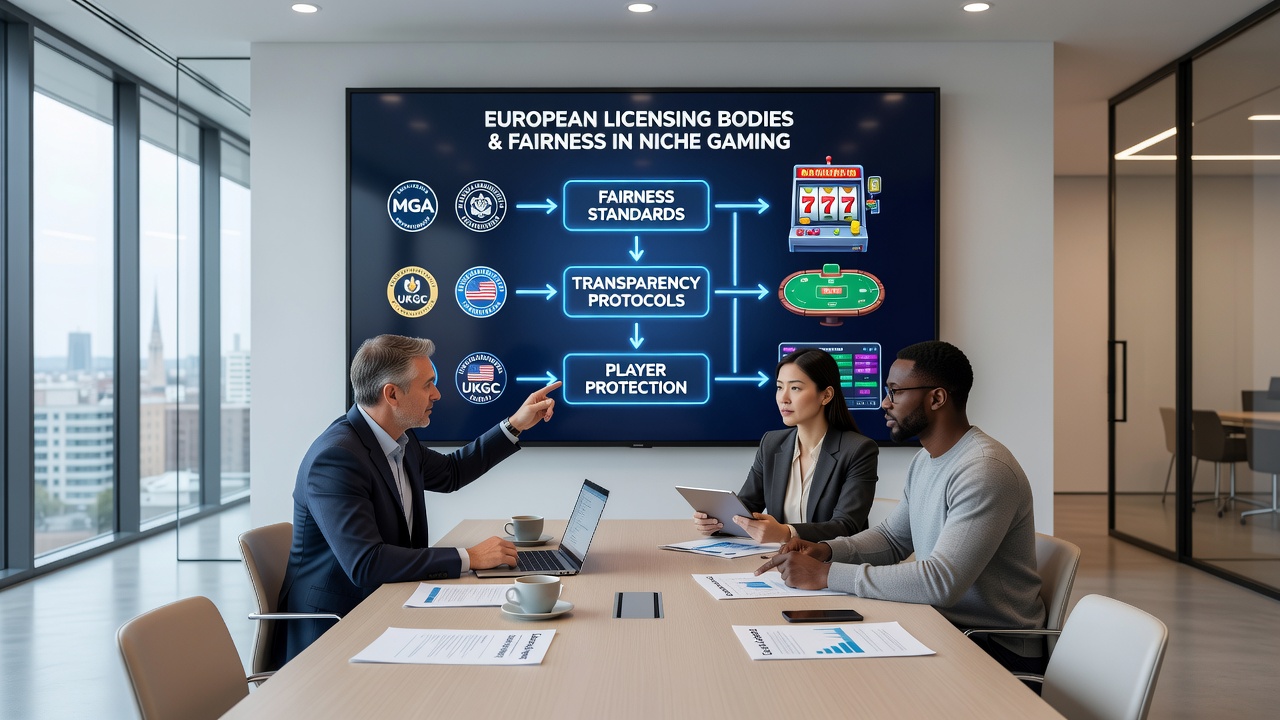
Licensing authorities across Europe establish the core frameworks that determine how niche gaming sites maintain fairness through technical audits, random number generator certifications, and ongoing compliance checks. These bodies operate under national laws that align with broader European Union directives on consumer protection and market integrity, creating consistent expectations even for platforms focused on specific game types or regional audiences.
Regulatory entities such as the Malta Gaming Authority and the Swedish Gambling Authority require operators to submit detailed technical reports before granting licenses, and they continue to monitor performance through third-party testing laboratories. Niche sites that target particular player segments, including those specializing in live dealer games or regional slot themes, must meet the same core fairness criteria as larger platforms while adapting their systems to smaller operational scales.
Core Mechanisms of Regulatory Oversight
Authorities enforce fairness by mandating regular independent audits of game outcomes, payout percentages, and software integrity, with many requiring quarterly or semi-annual verifications from accredited labs. Data from these audits feeds directly into license renewal decisions, which means operators face tangible consequences if fairness metrics fall below established thresholds. In practice, this system pushes niche European sites to integrate compliance tools early in their development cycles rather than treating them as afterthoughts.
Standards often include specifications for return-to-player percentages, game volatility disclosures, and secure data handling that protect player information during transactions. Those who have examined licensing applications note that smaller platforms sometimes receive tailored guidance on implementing these requirements without disrupting their specialized offerings.
Adaptations for Niche Market Operators
Niche sites frequently operate with narrower profit margins and focused user bases, yet licensing conditions still demand the same level of technical scrutiny applied to mainstream operators. Regulators have responded by allowing certain modular compliance approaches, where platforms can demonstrate fairness through shared testing resources or industry-wide certification programs. This flexibility helps specialized sites maintain operations while satisfying the same fairness benchmarks that apply industry-wide.
Observers note that platforms concentrating on particular European markets must also align with local language requirements and responsible gaming tools, adding layers of oversight that directly affect how fairness standards translate into user experience. Research indicates that these layered requirements have led many niche operators to adopt automated monitoring systems that track game performance in real time.
Recent Developments Through Late 2026
By November 2026, several European jurisdictions had updated their licensing protocols to incorporate enhanced data analytics for detecting subtle fairness deviations in live gaming environments. These updates reflect ongoing collaboration between national regulators and technical standards organizations, resulting in more granular reporting obligations for operators. Niche platforms have adjusted by investing in compatible analytics tools that integrate with existing game engines.
According to figures released by the Swedish Gambling Authority, compliance rates among smaller licensed operators improved notably during the preceding year, suggesting that targeted regulatory support has helped bridge resource gaps. Similar patterns appear in reports from other member states that participate in cross-border information sharing agreements.
Industry Collaboration and Technical Standards
European gaming associations and research institutions contribute to the evolution of fairness standards by publishing technical guidelines that regulators later reference during licensing reviews. This collaborative process allows niche sites to access standardized testing protocols without developing proprietary solutions from scratch. Trade groups have documented cases where shared certification frameworks reduced audit costs for specialized operators by significant margins.
One study revealed that platforms adopting these collaborative standards experienced fewer compliance interruptions during license renewals. The European Commission has also issued guidance documents that encourage harmonization of fairness testing methods across member states, which benefits operators active in multiple jurisdictions.
Conclusion
Licensing bodies continue to drive fairness standards at niche European gaming sites through structured oversight, technical mandates, and adaptive compliance pathways that account for operational differences. The combination of mandatory audits, real-time monitoring requirements, and cross-jurisdictional cooperation creates an environment where specialized platforms can operate while meeting established benchmarks. As regulatory frameworks evolve with new analytical capabilities, these influences are expected to maintain their central role in shaping how fairness is defined and verified across the sector.